End-of-life and palliative care present unique psychiatric challenges. The Journal of Clinical Psychiatry delves into the emotional, psychological, and ethical aspects of care at this critical juncture. Our expert editors ensure that the content is both compassionate and evidence-based, aiding psychiatrists in offering holistic support to patients and their families during these trying times.
End of Life and Palliative Care
Recently published articles about End-of-Life and Palliative Care





Rounds in the General Hospital
Wishing That Your Patient Would Die: Reasons and Reactions
February 25, 2025
The authors explore the complexity, intensity, and critical decision-making faced by health care staff while caring for chronically and critically ill patients, especially in the context of medical futility.
Recent JCP Articles on End-of-Life and Palliative Care

Case Report
A Case of Seronegative Autoimmune Encephalitis, Epilepsy, and Neurodevelopmental Comorbidity in an Adolescent
November 23, 2026
A complex case of seronegative autoimmune encephalitis in an adolescent, requiring interdisciplinary collaboration and broad medical, neurologic, and psychiatric evaluation.

Author Insight
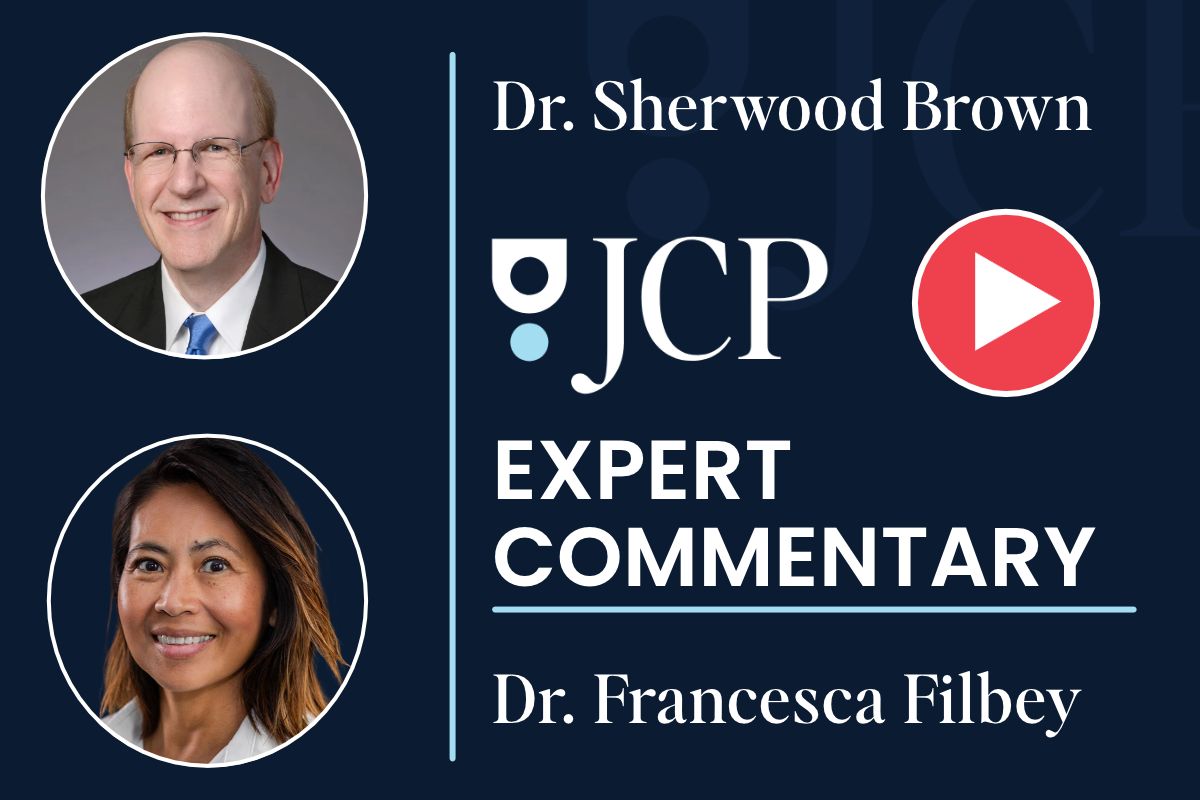
Pregnenolone and Resting-State Amygdala Connectivity in Women With Major Depressive Disorder
November 20, 2026
E. Sherwood Brown, MD, and Francesca Filbey, PhD, describe the background for a neuroimaging study of pregnenolone in women with major depressive disorder. The video focuses on resting-state fMRI...
Recent PCC Articles on End-of-Life and Palliative Care
Featured End-of-Life and Palliative Care Research


Case Report
Role of Psychiatry and Clinical Ethics in Life-Sustaining Treatment Withdrawal
July 9, 2024
The authors discuss the roles of psychiatry and clinical ethics consultants and compare demoralization with major depressive disorder through analysis of the ethical dimensions of withdrawing life-sustaining hemodialysis in...

Original Research
Psychotropic Medication Prescriptions for Oncology Patients
May 2, 2024
In palliative home care, psychotropic medications are frequently prescribed by palliative doctors primarily for symptom management, with limited psychiatric consultations and challenges in accessing psychological evaluations.