Encephalitis, an inflammation of the brain, can result from various causes, including infections and autoimmune reactions. Recognizing its symptoms and understanding its management is vital for patient outcomes. The Journal of Clinical Psychiatry offers insights into the psychiatric implications of encephalitis, from cognitive disturbances to mood alterations. Our expert editors ensure that content is evidence-based and clinically relevant, providing psychiatrists with the knowledge they need to address the neuropsychiatric aspects of encephalitis.
Encephalitis
Recently published articles about Encephalitis





Recent JCP Articles on Encephalitis
Expert Commentary
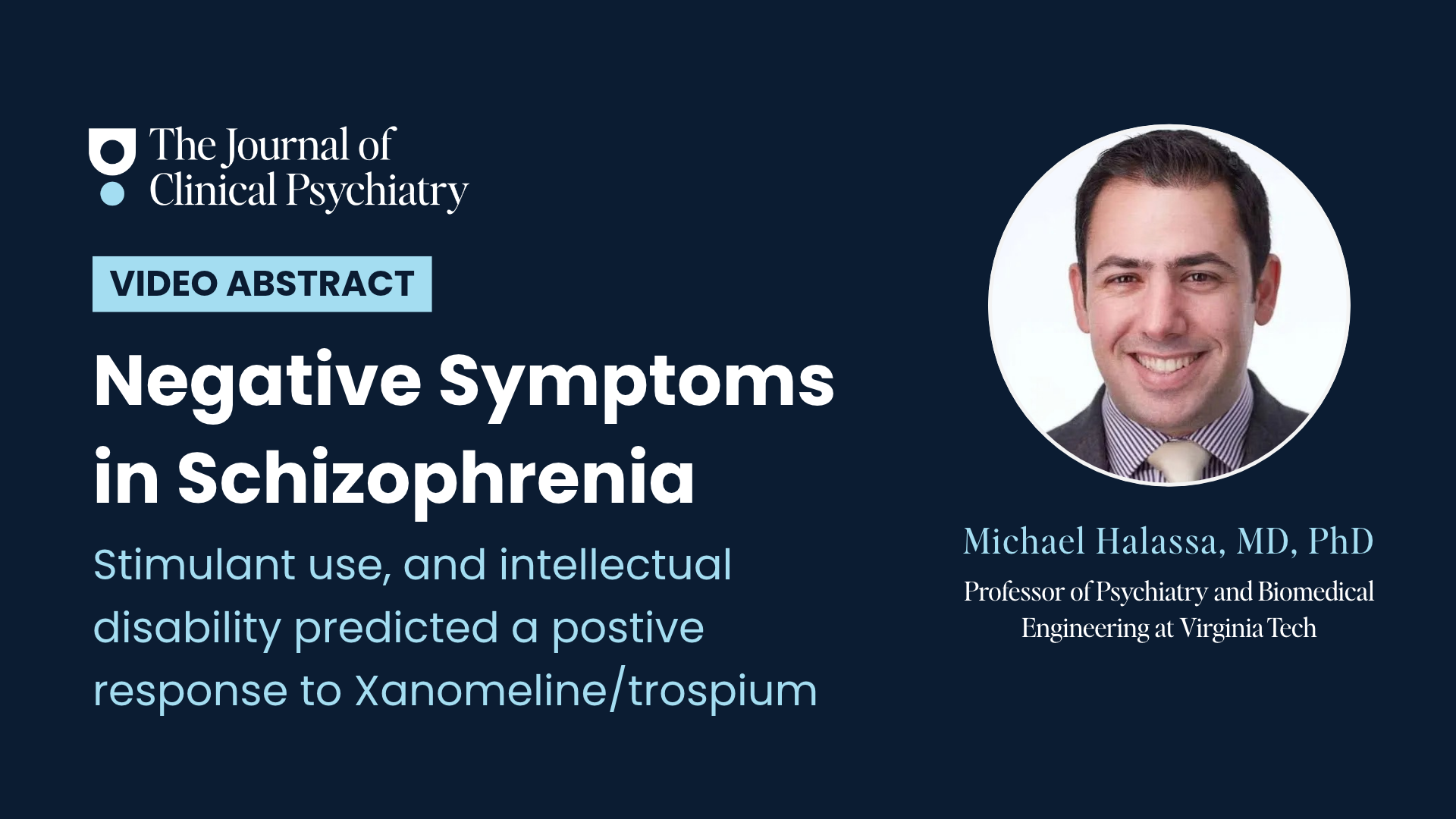
Negative Symptoms May Predict Who Responds to Xanomeline-Trospium in Schizophrenia
October 8, 2026
Mike Halassa describes negative symptoms in schizophrenia and discusses clinical and post-hoc evidence that potentially suggests negative symptoms may be a useful clinical feature to look for when considering...


Recent PCC Articles on Encephalitis
Article
Neuropsychiatric Pediatric NMDA Receptor Encephalitis
August 17, 2017
Although psychiatric manifestations are one of the most common presentations of pediatric N-methyl-d-aspartate receptor encephalitis, there is a lack of studies that characterize psychiatric aspects of this disorder. This...
Featured Encephalitis Research





Original Research
Routine Screening for Autoimmune Encephalitis
November 17, 2020
Autoimmune encephalitis (AE) is a highly treatable neurologic condition that can cause psychosis. This study estimated the cost-effectiveness of routine screening for AE compared with clinically targeted screening in...