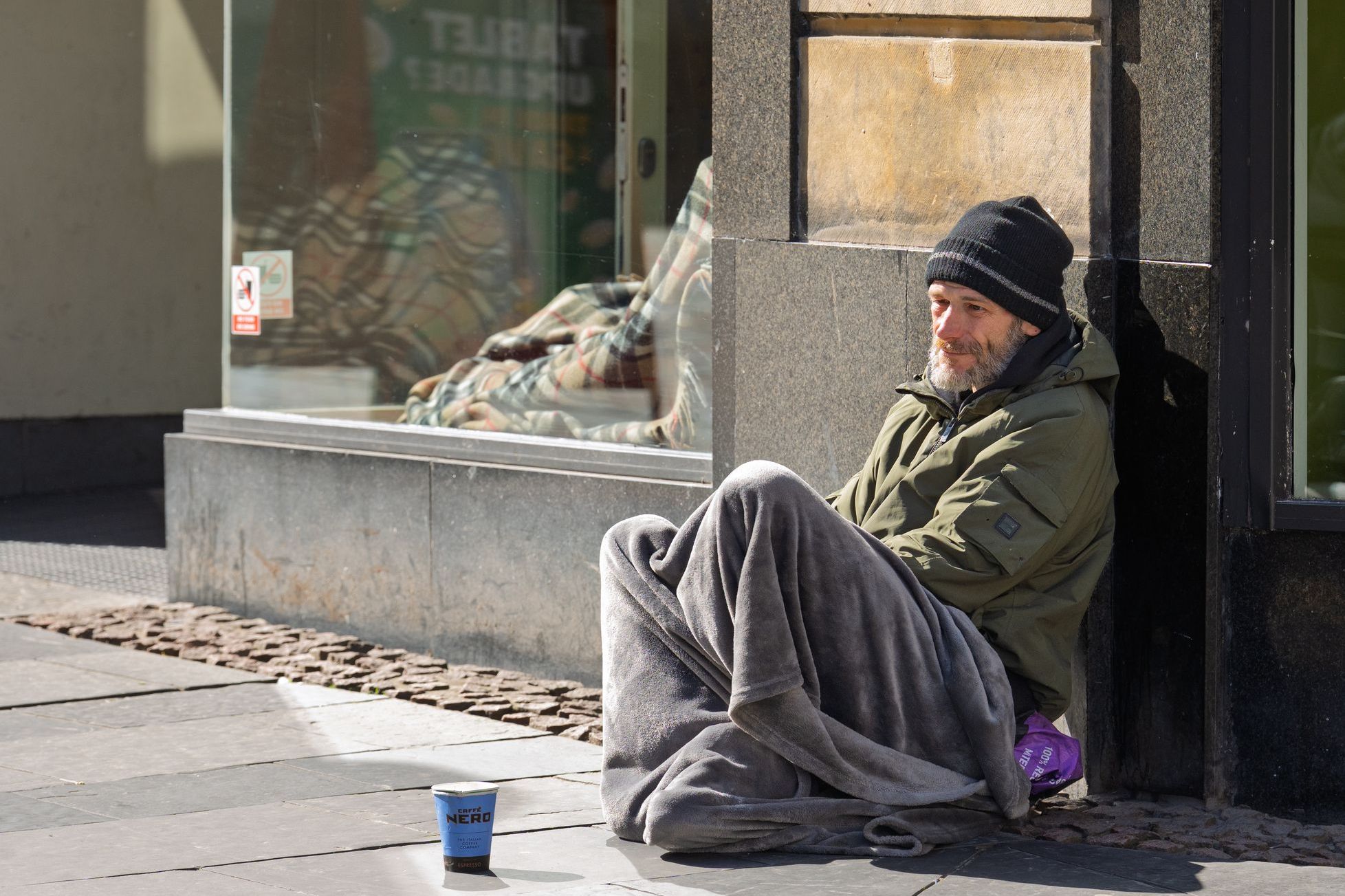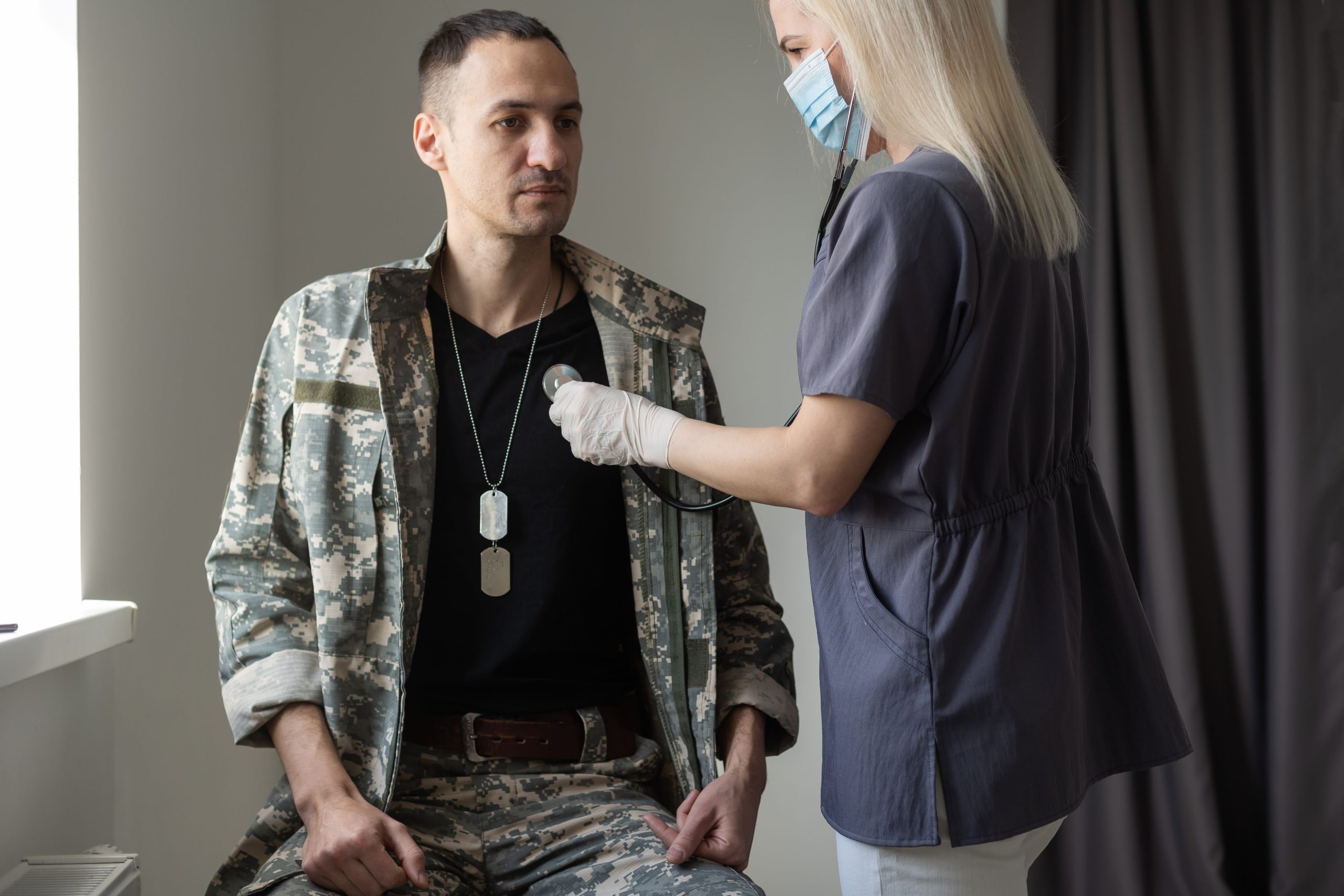

Loneliness is prevalent and clinically significant among US military veterans. Nationally representative data from 2019–2020 indicate that 56.9% of US veterans endorsed at least moderate levels of loneliness, with nearly 1 in 5 (19.7%) experiencing frequent loneliness.1 Loneliness is independently associated with substantial health burden and heightened suicide risk,1–5 underscoring its importance as a transdiagnostic risk factor.
Given recent changes in the social context for veterans, including COVID-19 pandemic effects6 and demographic shifts toward younger, female, and racially/ethnically diverse veterans,7 groups at elevated risk for loneliness,1 updated data are needed to inform prevention, treatment, and policy initiatives aimed at reducing loneliness and its consequences.2,8,9
This study used 2025–2026 National Health and Resilience in Veterans Study (NHRVS) data to estimate loneliness prevalence and changes since 2019–2020 and examine the association of loneliness with psychiatric disorders and suicidal thoughts and behaviors.
Methods
Data were analyzed from the 2025–2026 NHRVS, a nationally representative survey of 2,636 US veterans conducted December 16, 2025–January 12, 2026. Of the 2,636 veterans surveyed, 24 (0.9%) had missing data on the loneliness measure and were excluded from analyses, yielding an effective analytic sample of 2,612. The sample was drawn from KnowledgePanel, a probability-based panel of >50,000 US households.10 Poststratification weights were applied in inferential analyses to enable generalizability to the US veteran population.11 All participants provided electronic informed consent; the study was approved by the VA Connecticut Healthcare System Human Subjects Committee.
Loneliness was assessed using a 3-item measure,12 which evaluates the degree to which respondents feel left out, isolated, and lacking in companionship (response options: 1=hardly ever to 3=often). Consistent with prior NHRVS studies,1 loneliness levels were categorized as “hardly ever lonely” (score of 1 on all items), “moderate loneliness” (score of 2 on at least 1 item), or “frequent loneliness” (score of 3 on at least 1 item) to facilitate comparison and clinical interpretability. Other measures are described in the Table 1 footnote.
Prevalence estimates of loneliness were calculated and compared between survey waves (2019–2020 vs 2025–2026) using 2-proportion z-tests. Bivariate analyses compared study variables by loneliness level. Multivariable regression models examined independent associations between loneliness levels and mental health measures.
Results
A total of 58.7% (95% CI =56.4%–61.0%; n= 1,467) of veterans reported moderate (36.3%, 95% CI =34.1%–38.6%; n= 961) or frequent (22.4%, 95% CI =20.4%–24.6%; n= 506) loneliness.
Compared with 2019–2020 estimates (37.2% moderate; 19.7% frequent), the prevalence of frequent loneliness increased significantly (z=2.65, P=.008), whereas the prevalence of moderate loneliness did not differ (z=0.74, P=.46).
Compared with hardly ever lonely veterans, moderately lonely veterans had significantly greater odds of 5 of 8 mental health measures: depression, anxiety, posttraumatic stress disorder, hazardous alcohol use, and past-year suicidal ideation, with odds ratios ranging from 1.6 to 3.3; drug use disorder, lifetime suicide attempt, and future suicidal intent did not differ significantly. Compared with hardly ever lonely veterans, frequently lonely veterans had significantly greater odds of 6 of 8 measures, with the exceptions being drug use disorder and lifetime suicide attempt; odds ratios ranged from 2.0 to 32.1. Finally, relative to moderately lonely veterans, frequently lonely veterans had significantly greater odds of all measures except hazardous alcohol use, with particularly pronounced associations with depression (OR=9.7) and future suicidal intent (OR =15.9; Table 1).
Discussion
Loneliness remains highly prevalent among US veterans, with nearly 6 in 10 reporting at least moderate loneliness and more than 1 in 5 reporting frequent loneliness. The prevalence of frequent loneliness increased from 19.7% in 2019–20201 to 22.4% in 2025–2026, representing an estimated additional 460,000 affected veterans based on population benchmarks.11 This increase may partly reflect enduring effects of the COVID-19 pandemic6; shifts in the demographic composition of the veteran population toward younger, female, and more racially and ethnically diverse groups1,7,13; broader societal and economic stressors; and potential period or reporting effects that may influence willingness to endorse loneliness and emotional distress.14–16
A clear dose-response association was observed between loneliness and mental health measures, with higher loneliness levels associated with greater odds of psychiatric disorders and suicidality. For example, the prevalence of suicidal ideation increased systematically as a function of loneliness levels (3.8% vs 14.8% vs 32.3%), even after adjusting for sociodemographic, military, trauma, and health factors.
Although limited by reliance on self-report measures, a cross-sectional design that precludes directional inference, and the possibility that adjustment for psychiatric conditions may have attenuated associations with suicide-related outcomes, these findings suggest that loneliness represents a potentially modifiable intervention target for screening, prevention, and intervention efforts (eg, peer support initiatives, social prescribing, and group-based and community engagement interventions),17–20 with implications for VA clinical practice and population-level policy initiatives.
Article Information
Published Online: August 5, 2026. https://doi.org/10.4088/JCP.26br16494
© 2026 Physicians Postgraduate Press, Inc.
J Clin Psychiatry 2026;87(3):26br16494
Submitted: April 27, 2026; accepted June 4, 2026.
To Cite: Pietrzak RH, Fischer IC, Na PJ. A growing epidemic of loneliness among US military veterans: national trends, psychiatric burden, and suicide risk. J Clin Psychiatry 2026;87(3):26br16494.
Author Affiliations: US Department of Veterans Affairs National Center for PTSD, VA Connecticut Healthcare System, West Haven, Connecticut (Pietrzak, Fischer); Department of Psychiatry, Yale School of Medicine, New Haven, Connecticut (Pietrzak, Fischer, Na); Department of Social and Behavioral Sciences, Yale School of Public Health, New Haven, Connecticut (Pietrzak); VA Connecticut Healthcare System, West Haven, Connecticut (Na).
Corresponding Author: Robert H. Pietrzak, PhD, MPH, US Department of Veterans Affairs National Center for PTSD, VA Connecticut Healthcare System, 950 Campbell Avenue, West Haven, CT 06516 ([email protected]).
Financial Disclosure: None.
Funding/Support: None.
References (30)

- Straus E, Norman SB, Tripp JC, et al. Behavioral epidemic of loneliness in older U.S. military veterans: results from the 2019-2020 National Health and Resilience in Veterans Study. Am J Geriatr Psychiatry. 2022;30(3):297–310.
- Zheng Y, Qualter P, Rollano C, et al. Impact of loneliness on health in healthy populations: a meta-analysis. Br J Health Psychol. 2026;31(1):e70040.
- Mann F, Wang J, Pearce E, et al. Loneliness and the onset of new mental health problems in the general population. Soc Psychiatry Psychiatr Epidemiol. 2022;57(11):2161–2178.
- Rodrigues JFR, Rodrigues LP, Teshima T, et al. Loneliness as an interface between Alzheimer disease and suicidal behaviour: a systematic review, meta-analysis and meta-analytic factor analysis. Psychogeriatrics. 2026;26(3):e70165.
- Glisker RAN, Strouse M, Fonseca E, et al. Loneliness and suicide risk in U.S. veterans: a scoping review. Mil Med. 2026:usag159.
- Na PJ, Straus E, Tsai J, et al. Loneliness in U.S. military veterans during the COVID-19 pandemic: a nationally representative, prospective cohort study. J Psychiatr Res. 2022;151:546–553.
- Pew Research Center. The changing face of America’s veteran population. Accessed January 12, 2026. https://www.pewresearch.org/short-reads/2023/11/08/the-changing-face-of-americas-veteran-population/
- Holt-Lunstad J, Smith TB, Baker M, et al. Loneliness and social isolation as risk factors for mortality: a meta-analytic review. Perspect Psychol Sci. 2015;10(2):227–237.
- Hajek A, Sutin AR, Posi G, et al. Chronic loneliness and chronic social isolation among older adults: a systematic review, meta-analysis and meta-regression. Aging Ment Health. 2025;29(2):185–200.
- KnowledgePanel: a methodological overview. Accessed February 16, 2026. https://www.ipsos.com/sites/default/files/ipsosknowledgepanelmethodology. pdf
- US Census Bureau. Current Population Survey, August 2024: veterans supplement technical documentation. US Census Bureau; 2024. Accessed March 8, 2026. https://www2.census.gov/programs-surveys/cps/techdocs/cpsaug24.pdf
- Hughes ME, Waite LJ, Hawkley LC, et al. A short scale for measuring loneliness in large surveys. Res Aging. 2004;26(6):655–672.
- Shah HA, Househ M. Understanding loneliness in younger people: review of the opportunities and challenges for loneliness interventions. Interact J Med Res. 2023;12:e45197.
- Office of the Surgeon General. Our epidemic of loneliness and isolation: the US Surgeon General’s advisory on the healing effects of social connection and community. US Department of Health and Human Services; 2023. Accessed May 20, 2026. http://www.ncbi.nlm.nih.gov/books/NBK595227/
- American Psychological Association. Stress in America 2025: a crisis of connection. American Psychological Association; 2025. https://www.apa.org/pubs/reports/stress-in-america/2025/full-report.pdf
- Bruss KV, Seth P, Zhao G. Loneliness, lack of social and emotional support, and mental health issues — United States, 2022. MMWR Morb Mortal Wkly Rep. 2024;73(24):539–545.
- Lasgaard M, Qualter P, Løvschall C, et al. Are loneliness interventions effective for reducing loneliness? A meta-analytic review of 280 studies. Am Psychol. 2026;81(1):36–52.
- Fu Z, Yan M, Han X, et al. The effectiveness of artificial agents on loneliness reduction in older adults: a systematic review and meta-analysis. Arch Gerontol Geriatr. 2026;140:106056.
- Ranney RM, Goldberg R, Maguen S, et al. Peer specialist-led interventions in primary care at the Veterans Health Administration: an integrative review. Psychol Serv. 2025;22(2):256–269.
- Sullivan J, Gualtieri L, Campbell M, et al. VA Compassionate Contact Corps: a phone-based intervention for veterans interested in speaking with peers. Innov Aging. 2021;5(Suppl 1):204.
- Felitti VJ, Anda RF, Nordenberg D, et al. Relationship of childhood abuse and household dysfunction to many of the leading causes of death in adults: the Adverse Childhood Experiences (ACE) Study. Am J Prev Med. 1998;14(4):245–258.
- Carlson EB, Smith SR, Palmieri PA, et al. Development and validation of a brief self-report measure of trauma exposure: the Trauma History Screen. Psychol Assess. 2011;23(2):463–477.
- Pietrzak RH, Goldstein RB, Southwick SM, et al. Medical comorbidity of full and partial posttraumatic stress disorder in US adults: results from Wave 2 of the National Epidemiologic Survey on Alcohol and Related Conditions. Psychosom Med. 2011;73(8):697–707.
- Sherbourne CD, Stewart AL. The MOS social support survey. Soc Sci Med. 1991;32(6):705–714.
- Kroenke K, Spitzer RL, Williams JB. The Patient Health Questionnaire-2: validity of a two-item depression screener. Med Care. 2003;41(11):1284–1292.
- Kroenke K, Spitzer RL, Williams JB, et al. Anxiety disorders in primary care: prevalence, impairment, comorbidity, and detection. Ann Intern Med. 2007;146(5):317–325.
- Weathers FW, Litz BT, Keane TM, et al. The PTSD Checklist for DSM-5 (PCL-5). 2013. Scale available from the National Center for PTSD. Accessed February 16, 2026. ptsd.va.gov
- Saunders JB, Aasland OG, Babor TF, et al. Development of the Alcohol Use Disorders Identification Test (AUDIT): WHO Collaborative Project on Early Detection of Persons with Harmful Alcohol Consumption-II. Addiction. 1993;88(6):791–804.
- Tiet QQ, Leyva YE, Moos RH, et al. Screen of drug use: diagnostic accuracy of a new brief tool for primary care. JAMA Intern Med. 2015;175(8):1371–1377.
- Osman A, Bagge CL, Gutierrez PM, et al. The Suicidal Behaviors Questionnaire-Revised (SBQ-R): validation with clinical and nonclinical samples. Assessment. 2001;8(4):443–454.
This PDF is free for all visitors!